The purpose of this project is to develop and pilot a building use audit tool that will measure physical characteristics of UW building use. The tool will measure the cultural context of a building such as lighting and energy use, density and use of equipment plug loads, frequency of window use, and frequency of occupant use of building and schedules. The consideration of cultural context will be important as the buildings on UW campus house many different departments and functions with each having a different impact of energy consumption on campus.
UW Sustainability
Green Seed Fund approved projects for all

The Green Seed Fund awarded grants to UW faculty, students, and staff to research opportunities that advance sustainable research while contributing to campus sustainability goals. Listed below are the projects awarded funding during the all funding cycle. You can browse the projects from the earlier years of the fund at the links in the menu.
A committee of students, faculty, and staff reviewed the proposals and awarded funding to 14 projects. The projects were selected because the review committee felt they will contribute to UW sustainability goals, are research focused, the project scope has a broad reach.
Total funding awarded for this period: $719,852
This interdisciplinary, multi-layered, and research-based project will create a campus-wide sustainability challenge involving a friendly and supportive competition between students, faculty and staff on the UW Tacoma campus to lose carbon weight. The competition, based on a successful pilot study (“UWT’s Biggest Loser”) conducted in autumn 2014, leverages social networks between students and their teachers that begin in the classroom and spread through the employment of “challenges” that students give to other members of the UW Tacoma community. The project as a whole begins with a workshop where ten participating faculty representing many divisions of the school of Interdisciplinary Arts and Sciences learn how to incorporate key concepts of sustainability into their course syllabi.
The explosive enrollment growth at the University of Washington Bothell (UWB)/Cascadia College (CC) joint campus has been manifested in an aggressive building plan resulting in ever more impervious surfaces, and an ongoing reduction of the surrounding forested area. This, in turn, is increasing the flow and reducing the quality of stormwater discharged to the adjacent campus owned wetland and North Creek.
The goal of this project is to facilitate the adoption of the UW Green Labs Certification program for the UW Department of Environmental and Occupational Health Sciences laboratories. The group will work to find a better understanding of barriers, to score higher on the Green Labs certification and finding better guidelines for low-scoring parts of the application. The project will identify the best green practices for labs, where implementation will have the greatest impact, and serve as a template for other laboratories.

Electronic waste accounts for over 40 million metric tons of waste around the world annually and is responsible for 70% of heavy metals, 40% of lead, and up to 30% of polybrominated diphenyl ethers (PBDEs) that ends up in landfills. This situation is not acceptable, much less sustainable. What makes electronic waste so complicated is the many different sizes, shapes, forms, and compositions of that waste and the fact that recycling does not often proceed in the responsible and safe manner to which we associate the word ‘recycling’.
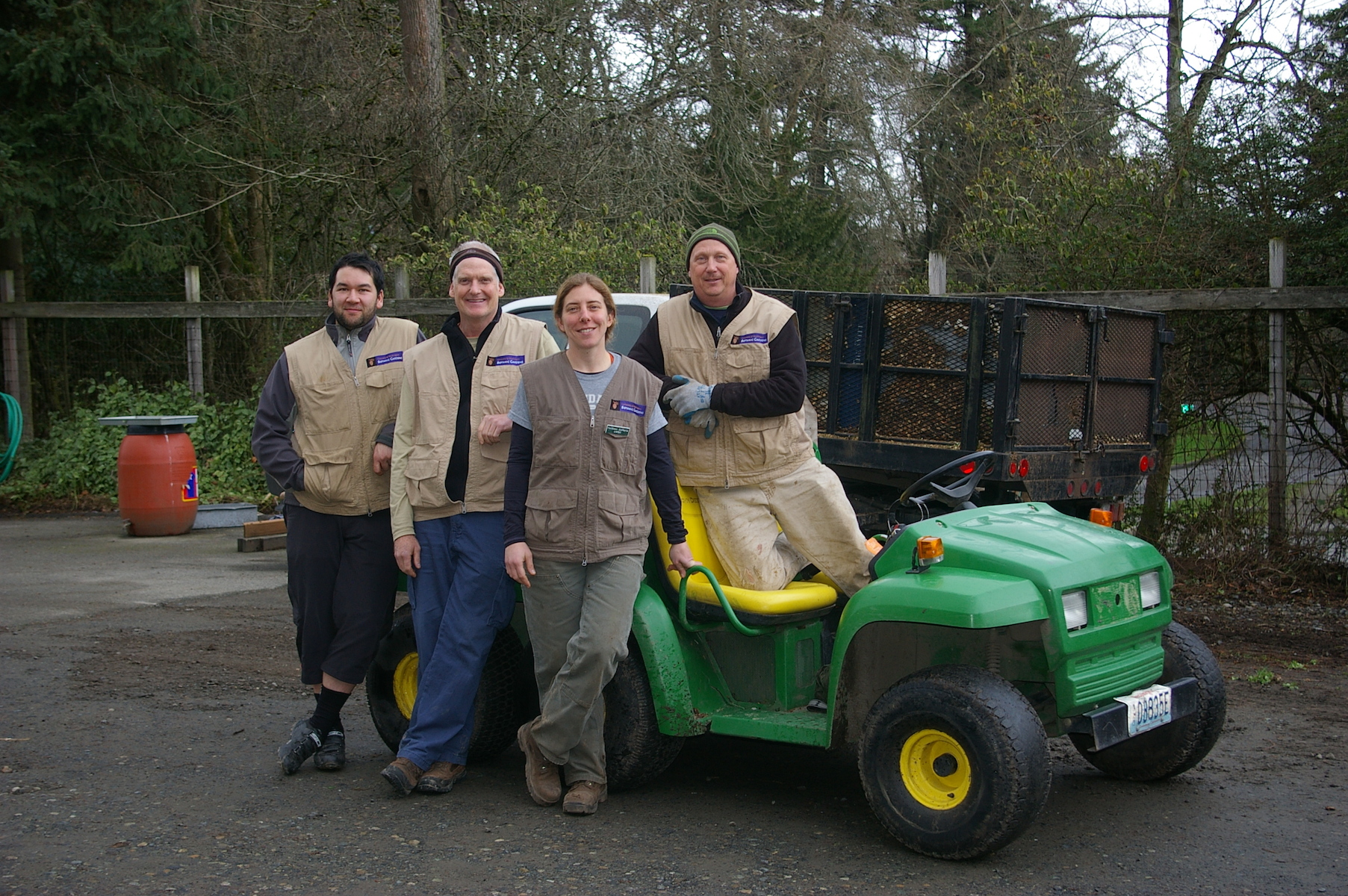
The project, focused on UW’s Botanic Garden’s Washington Park Arboretum, will compare the utility performance of the two different fuel sourced vehicles used at this facility: diesel and electric. The project will gather data that will inform grounds purchasing decisions for vehicles that are strong enough for grounds work and do not contribute to the university’s greenhouse gas emissions.
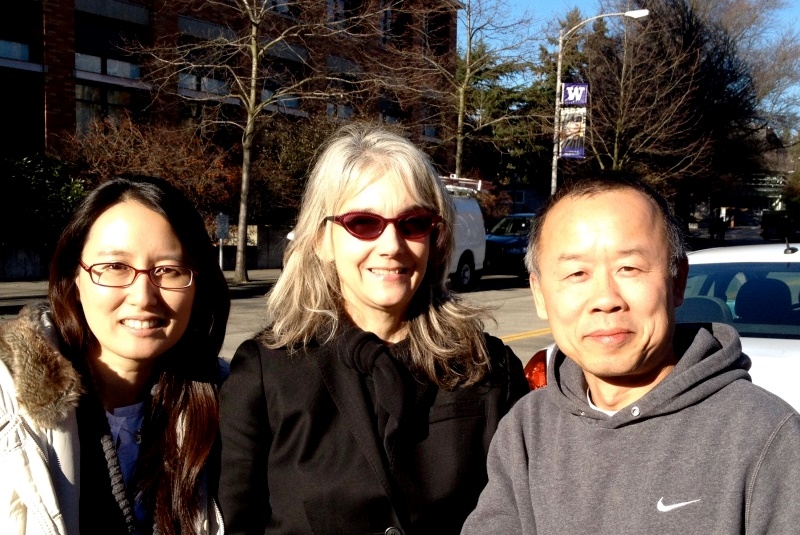
This project seeks to investigate the indoor environmental quality of the Husky Union Building. The group will measure temperature, air speed, acoustics, lighting, water consumption, and quality of indoor comfort through building occupant surveys. They will measure the building using instruments provided by the HUB and distinguish the quality of energy and utility consumption, if efficiency problems exist, and whether the same analysis can be used on other UW campus buildings.
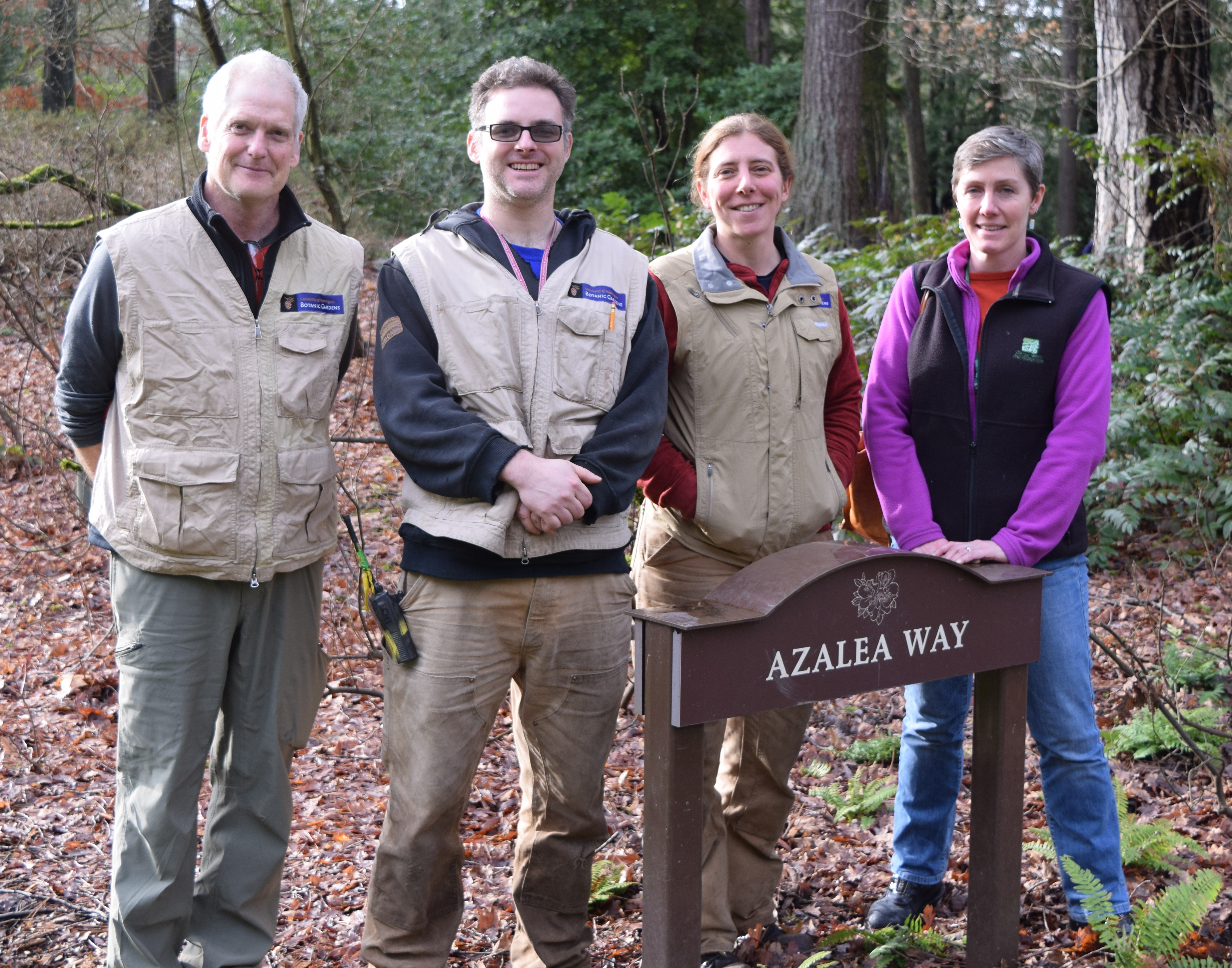
The Washington Park Arboretum (WPA) is an accessible, living laboratory and a portal to the University of Washington for both those affiliated and unaffiliated with the institution. Established in 1934, it is co-owned and managed by the University of Washington Botanic Gardens and the City of Seattle Parks and Recreation. Its extensive plant collections are known amongst its botanic garden and arboreta peers to be one of the top five in the nation. Over 250,000 visitors a year walk our 230 acres with binoculars, cameras or dog leashes in hand ready to explore and learn while simultaneously getting exercise and outdoor experiences.
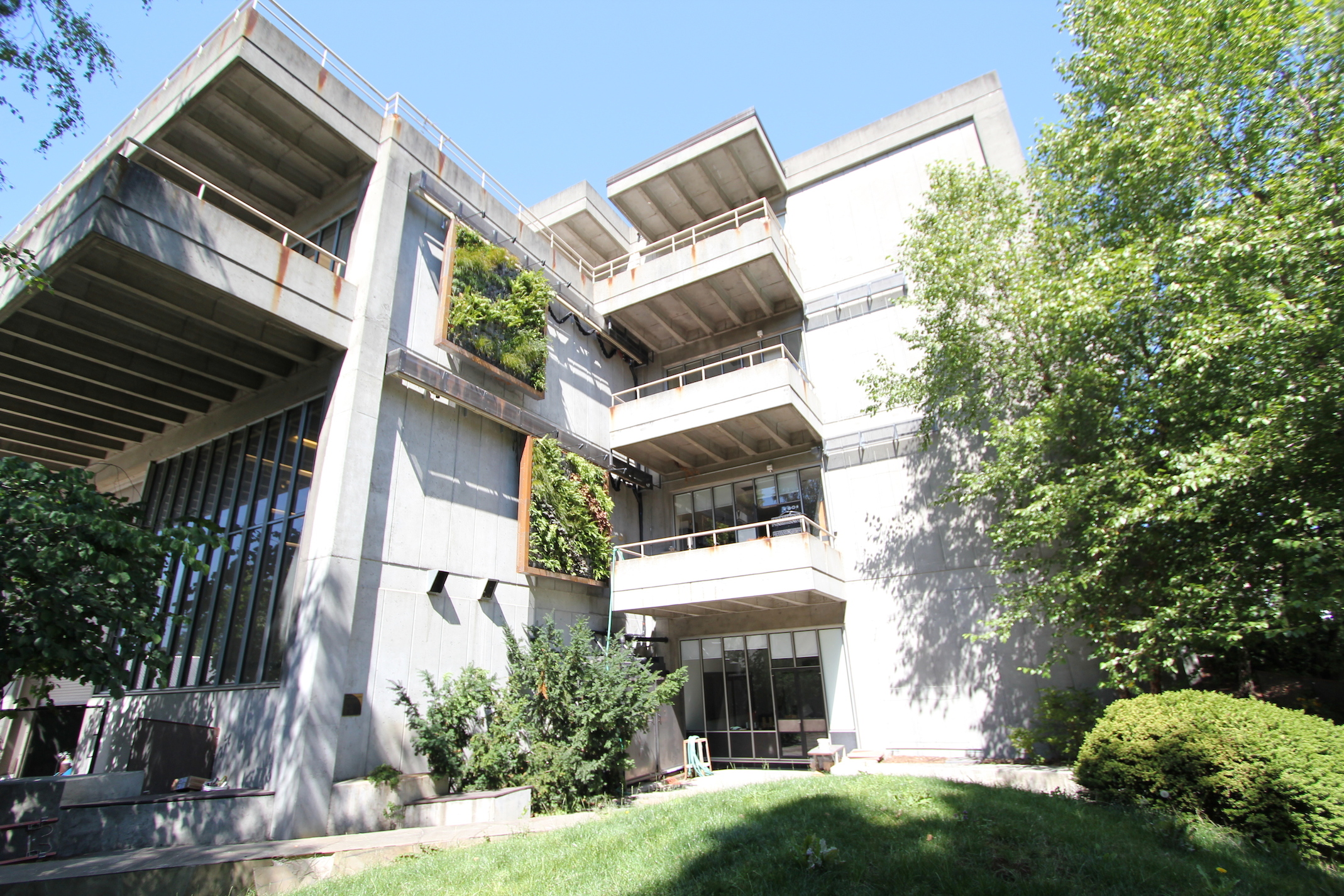
Designed and spearheaded by the UW Green Futures Lab (GFL), the UW Biodiversity Green Wall, Edible Green Screen, and Water Harvesting System was completed in July 2013. It is located in the SE corner of Gould Hall on 15th Ave and NE 40th St. The project has been a great success, and has the potential to provide numerous benefits such as reducing building energy needs, conserving potable water, increasing urban biodiversity, and improving the experiential qualities of the urban environment. However, in order to both maximize these benefits and replicate them in future projects, they must be monitored, measured, and analyzed. This proposal aims to build off of the intellectual and financial capital already invested in this pioneering project in order to fully maximize its impact.
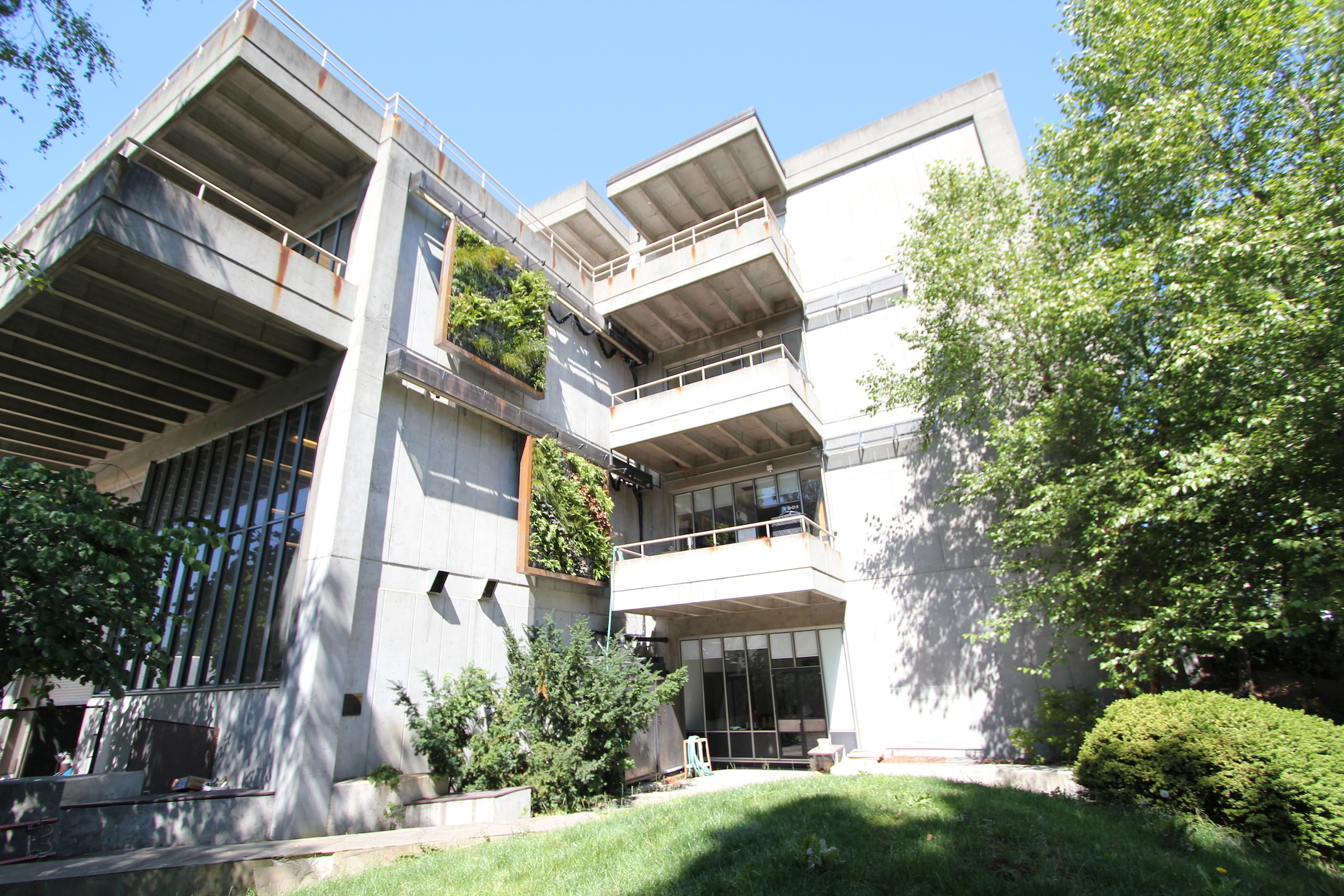
The UW Green Wall and Water Harvesting Systems was installed in the fall of 2012 to help reduce building energy needs, conserve potable water, reduce storm water pollution, and increase biodiversity. Now the project will be analyzed to measure exterior and interior temperature, its support of bird and insect use, stormwater management and water conservation potential, and its contribution to plant diversity in an urban environment. The results of analyzing the wall will go towards maximizing these benefits and implementing them in future projects on campus.

Irrigation water is a major contributor to water usage on the University of Washington Seattle Campus during the dry summer months. The University of Washington (UW) is determined to reduce its water consumption as declared by the Climate Action Plan in 2009. UW Facilities Ground Management made significant strides in improving irrigation. Landscaped areas are irrigated through a combination of drip and sprinkler systems connected to an intricate pipe networks that is centrally controlled and supervised through an advanced system of remote monitoring. Irrigation water is purchased from Seattle Public Utilities; however, alternative water sources such as harvested rainwater can provide the necessary water for irrigation. Therefore, this project proposes to monitor for water quality and quantity by constructing a rainwater collection system on UW Seattle Campus. Furthermore, this project will use the collected water to irrigate a small area on campus.
We seek Green Seed Fund funding to pursue an innovative study of durable medical equipment (DME) reuse and recycling that aims to reduce non-recoverable waste generated by University of Washington Medical Center (UWMC) and Harborview Medical Center (HMC). DME includes wheelchairs, walkers, shower chairs, and other assistive devices necessary for mobility and activities such as dressing, bathing, and eating. Individuals with chronic medical conditions or injuries that impair performance of daily activities may require DME. Wheelchairs, walkers, and other types of DME have the potential to be reused. Few studies have examined DME reuse or described the amount of non-recoverable waste from DME. Community organizations offer reuse programs that help reduce the amount of DME discarded into the landfill. However, at the current time, UWMC and HMC clinicians do not routinely use these resources.
For the Tacoma campus of the University of Washington, transportation is the largest source of greenhouse gas emissions since almost all of campus electricity is provided by hydropower. The campus is growing fast, with 4300 students currently and plans to grow to 7000 students by 2017. Moreover, as a non-residential campus serving South Puget Sound, almost all of these students must commute some distance to campus for class. The aim of the Husky Lines Project will be to increase usage of public transportation by University of Washington Tacoma students through provision of bus lines, which run directly from high-density clusters of students to University campus with no transfers. In this initial phase of the project, a feasibility study for optimization of the program will be carried out using a mixed methods approach.

The objective of this study is to demonstrate that lighting retrofits, which include personal controls and dimming capability, can generate significant energy savings and improve occupant experience/satisfaction, ultimately leading to better worker performance. The University of Washington (UW) has retrofitted and replaced existing lighting fixtures in university buildings with more energy-efficient fixtures as part of the campus-wide energy conservation effort. Although a reduction in electric power is a measured performance metric, the associated occupant experience is not currently evaluated. For example, replacing an incandescent lamp with a florescent light can reduce the total electricity consumption, but the associated light quality and impact on occupant performance are not assessed. However, there is emerging evidence that workspace strategies (e.g., lighting quality) impact productivity, absenteeism, employee turnover, and even innovations in organizations.