This page is part of an archive of the 2020-2025 Sustainability Action Plan. See the Sustainability Action Plan page for current information.

Our food is particularly emblematic of sustainability, a personal and literal symbol of the connection between the social and the environmental. The physically closer we are to the original sources of our food, the greater our ability is to affect positive change. At all three campuses, focusing on local food sources means we are engaging with, investing in, and providing support to our local food systems while reducing the carbon footprint of our community.
TARGET Wrap-up

The 2020-2025 Plan set out five-year targets, with annual updates to set out the actions that would be taken that year to reach the target. Over the five years of the Plan, here is a summary of the work towards Target VI:
Note: Soon after the original SAP was adopted, new research and guidance found that increasing plant-based food options has a greater impact on reducing emissions than focusing on local sourcing. While the target was not officially revised, HFS shifted priorities accordingly, joining the Menus of Change initiative to expand plant-based offerings.
Progress:
- Expanded local vendor partnerships through Housing & Food Services (HFS).
- Rolled out Balanced Plate program and Net Nutrition to promote plant-forward menus.
- Increased sourcing from women-owned, minority-owned, and small local businesses.
By-the-Numbers:
- In 2024, 33.5% of food purchased by HFS was sourced locally.
- At the current rate, UW is on pace to meet or exceed the 35% local sourcing target by 2025.
Status: On track. Housing & Food Services is sourcing 33.5% of food locally and is well-positioned to reach the 35% target by 2025. This reflects strong recovery efforts following pandemic-related disruptions, including re-establishing a cross-departmental food systems working group. Looking ahead, the work in this area will likely focus on enhancing existing programs that address food security and nutrition, as well as developing an organizational strategy to address issues such as food waste, food access, climate impacts, and equity.
Annual actions
Under the 2020 Sustainability Action Plan, each fiscal year the UW updated the Actions to be taken to work toward the Targets. This is an archive of the Actions adopted. The UW fiscal year runs from July 1 to June 30 and is named for the year it ends. For example, fiscal year 2025 started on July 1, 2024 and ended on June 30, 2025.
Action: Broadening connections on and off campus
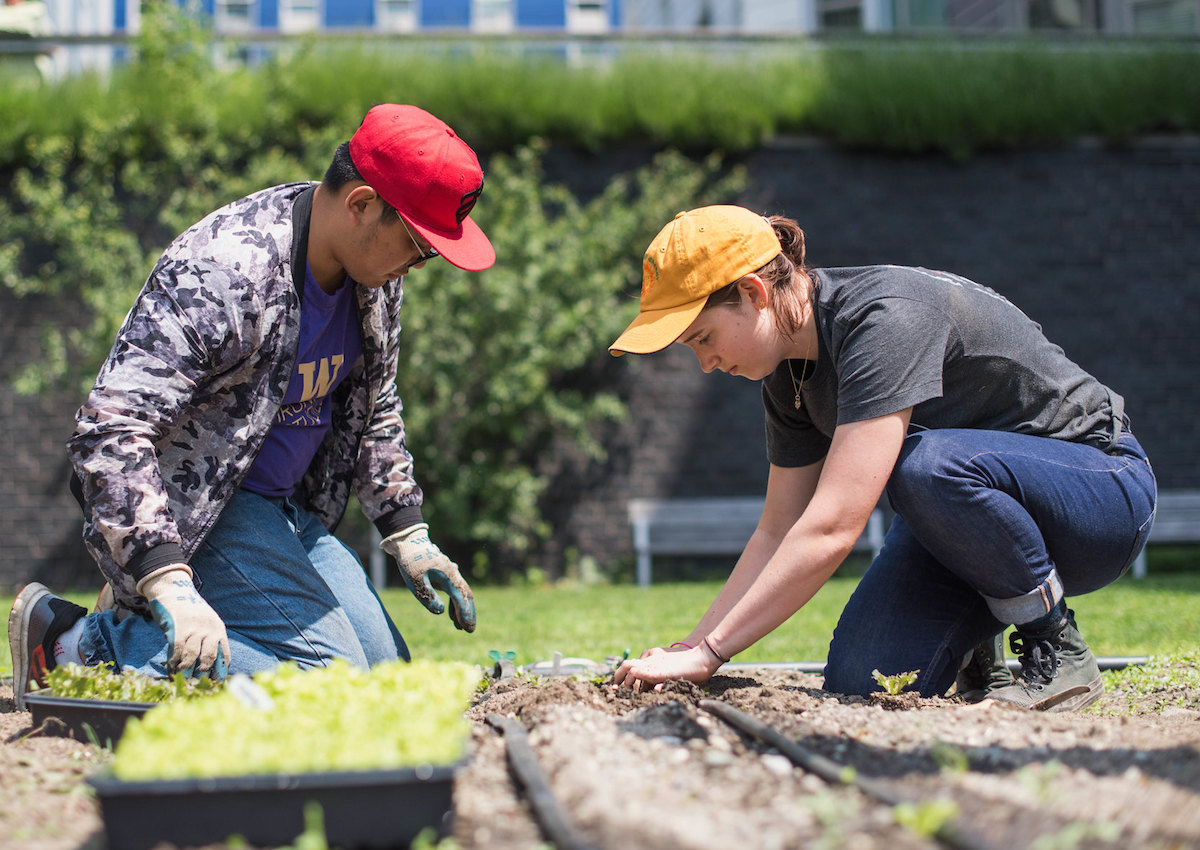
UW Dining will continue to focus its work on connecting with additional local farms, using a City of Seattle Office of Sustainability and the Environment program to launch purchasing through the Puget Sound Food Hub Cooperative and Farmstand Local Foods. UW Dining continues to source new local vendors by leveraging relationships through their local distributors Peterson Foods and Merlino Foods, and have expanded purchasing with other local vendors like Sunrice Foods and Alki Bakery. They are also learning more about the local brands represented by UW’s Group Purchasing Organization, Premier, which has been purchased by OMNIA Partners.
UW Dining plans to boost student engagement through expanded outreach and education, as well as identifying new class partnerships and research opportunities.
Action: Create Balanced Plate Initiative
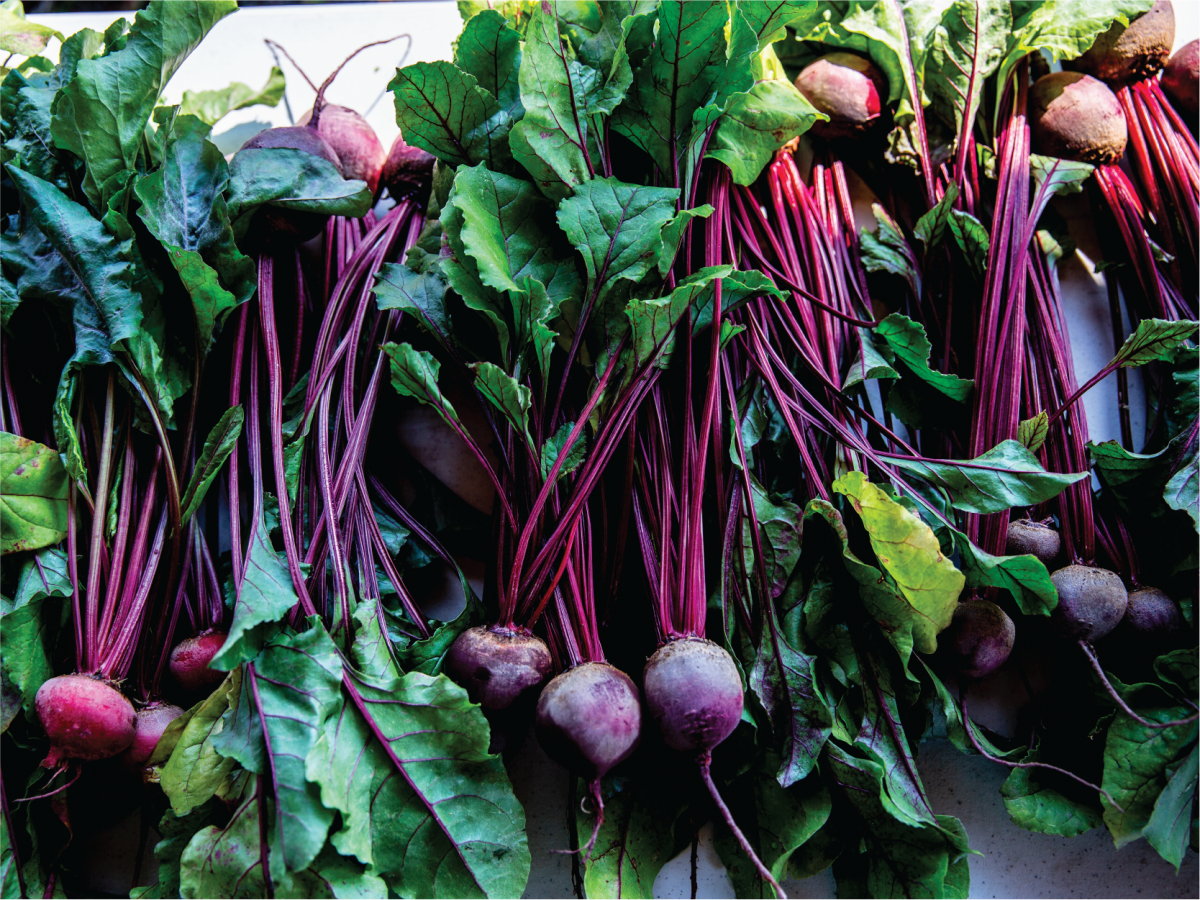
To help raise student awareness and purchases of plant-based menu items, HFS is launching the Balanced Plate Initiative. This initiative will provide educational materials about nutrition guidelines, while also creating easy-to-understand icons and information on menu boards to provide customers with information on options that meet nutritional guidelines.
Action: Expand outreach to students
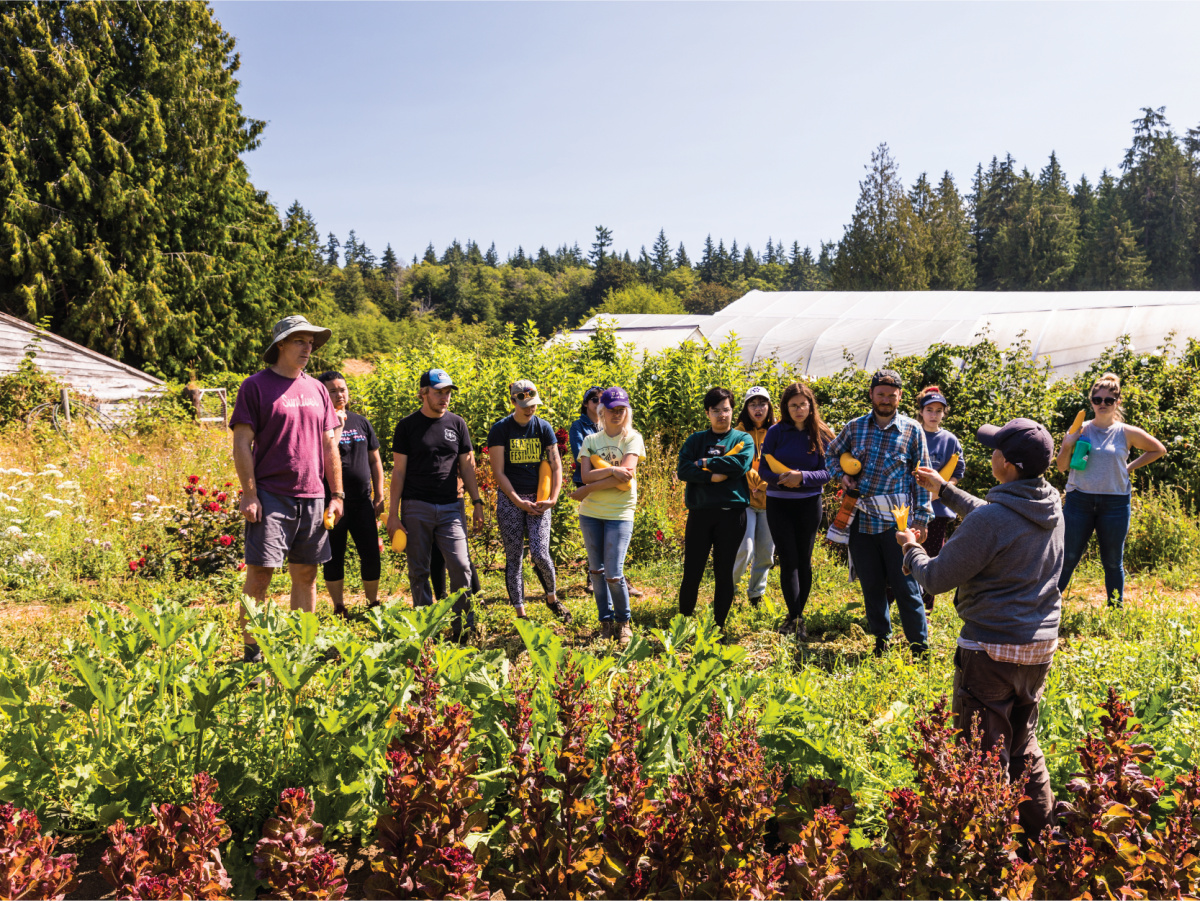
HFS will present to student leadership groups around plant-based and sustainable options available in on-campus dining locations, as well education around the impact of food systems and choices. In addition, the UW Sustainability Office and HFS are working with a graduate student in UW’s Nutrition Program to conduct research on best practices for successful promotion of plant-based foods.
Action: Increase student engagement education and understanding of impact of plant-based options

UW Housing & Food Services will continue to explore ways to expand their plant-based and sustainable offerings while ensuring they meet student demand and maintain revenue needed as a self-sustaining unit, and will continue to explore ways to educate students.
Action: Increase sourcing of local foods 1% each year based on a 2021 baseline
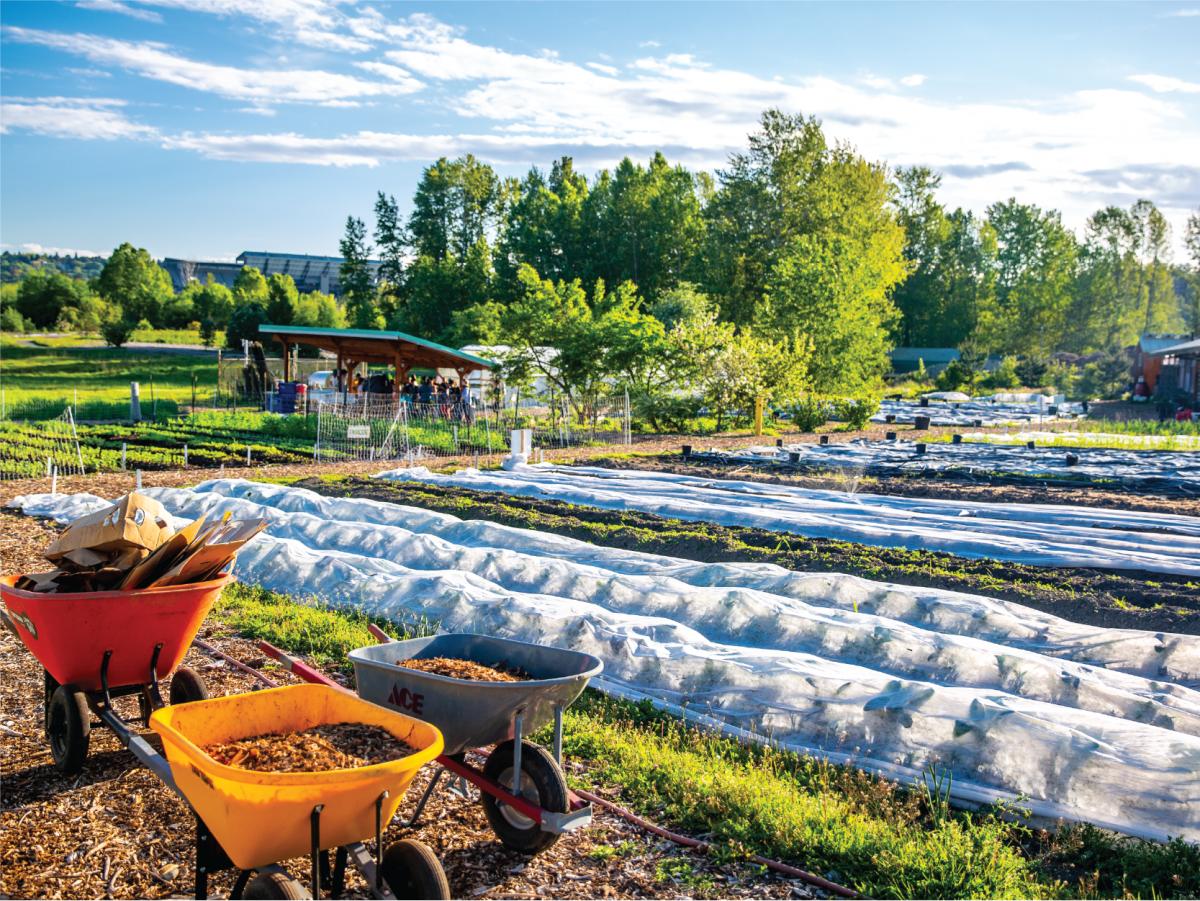
UW Housing and Food Services (HFS) Dining will actively seek to partner with suppliers and local vendors to raise the fraction of foods procured from within a 250-mile radius five percentage points, to a total of 35% of all foods procured. These Actions will aid in the support of the local food system while reducing the overall carbon footprint.
Steps we will take in FY 2022
- Analyze existing product purchases from our primary distributor in an effort to identify opportunities to migrate spend to local business within 250 miles of campus.
- Expand current UW Farm programming; enhance interdepartmental collaboration and planning.
- Increase student engagement through local vendor stories, tabling, and student facing information and resources.
Responsible party
Housing & Food Services
Statuses and linkages
To be successful and maintain a sustainable procurement approach, HFS Dining will need to balance the UW community demand with budgetary allowances as the increase of 1% year over year may result in higher food costs. In the event that these changes lead to higher food costs, UW Dining will seek direct support from Committee and Executive Leadership in the justifications for increased costs as result of this target. Additionally, HFS Dining will monitor the tolerance of higher priced menu items and will address the need for reevaluation of this target in the event increased costs are not tolerated and cannot be mitigated.
Financing
Financing for FY 2022 is contingent as described below.
The cost of food is considered an operating cost within the HFS Dining budgets and is a part of the greater annual fiscal year budget creation and ongoing budget management processes. As a self-sustaining auxiliary, HFS Dining operates without outside financial assistance, including from the University of Washington or state funds. As a result, the services it provides are largely paid for through operating revenue from on-campus customers.
Due to the effects of the COVID-19 pandemic, there are complex considerations with upcoming budget creation and management. HFS Dining’s operating revenue is directly dependent upon the resident occupancy and number of people on campus. Additionally, HFS Dining will need to make changes to accommodate necessary regulations stemming from COVID-19 which are likely to come at an additional cost. All of these elements will need to be considered in conjunction with the potential increased costs of local food when pursuing these targets and may impact food cost budget.
Metrics
- Percent of food expenditures on sources within 250 miles. (Additional metrics to be defined during FY 2022.)
Action:
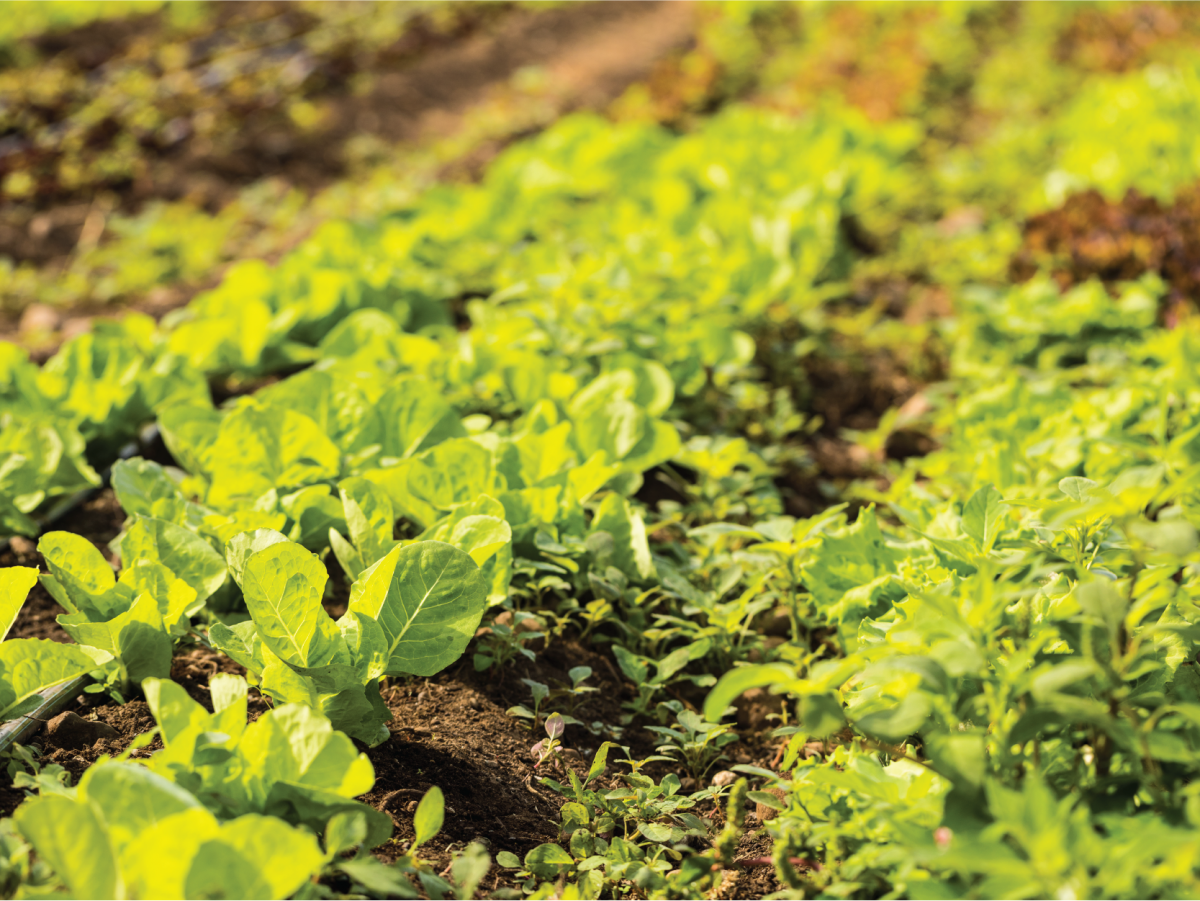
Increasing plant-based food options provides choices that are healthy for both our community and our planet. Recent science tells us plant-based options have been shown to emit lower greenhouse gasses than animal-based products. This focus allows UW Dining to provide more sustainable options on campus, including those grown sustainably and responsibly within our local food system.
Steps we will take in FY 2022
- Expand plant-based options available to students in food service units.
- Develop additional plant based options for Dining menus.
- Increase plant-based protein purchases.
Responsible party
Housing and Food Services
Statuses and linkages
Plant-based food will support our local food purchase while reducing associated greenhouse gas emissions. Additionally, increased plant based options will continue to support the UW Farm program on UW Seattle campus.
Financing
- No additional funding needed.
Metrics
- Plant-based options as a total percentage of menu items
- Total amount of plant-based proteins by pound per MCURC Protein Flip reporting
- AASHE STARS plant-based reporting
Action: Increase student engagement education and understanding of impact of plant-based options
Food systems play an important role for sustainability practices. It can significantly reduce carbon emissions from production and natural resource use, while ensuring sourcing is ethically and responsibly managed.
Steps we will take in FY 2022
- Collaborate with faculty Dr. Yona Sippos from the UW Nutritional Sciences Program to increase student led research around plant-forward impact and education.
Responsible party
Housing and Food Services
Statuses and linkages
Supports Target III, Campus as a Living Laboratory. Increase sustainability related research on campus. Increase student engagement in campus sustainability.
Financing
Needed financing will be assessed in FY22.
Metrics
- Establish baseline on the number of students engaged with research project.
Action: Partner with Suppliers, Vendors and Campus Growers to Procure Food Locally
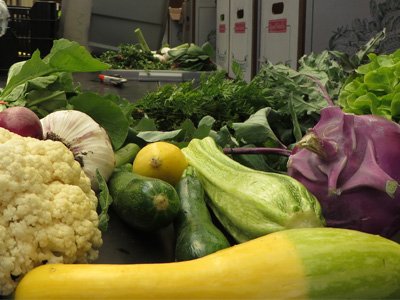
UW Housing and Food Services (HFS) Dining will actively seek to partner with suppliers and local vendors to raise the fraction of foods procured from within a 250-mile radius five percentage points, to a total of 35% of all foods procured. These Actions will aid in the support of the local food system while reducing the overall carbon food-print.
Steps we will take in FY 2021
- UW Dining will make every effort to seek out procurement of foods from sources that are located within 250 miles of the University of Washington campus.
- UW Dining will continue to partner with the UW Farm and seek out innovative ways to increase the velocity of items that UW Dining purchases.
- UW Dining will collaborate with on and off-campus partners to advertise and bring awareness to local goods through various modes including but not limited to student outreach efforts and lecture opportunities.
Responsible party
Housing & Food Services
Statuses and linkages
UW Dining currently allocates 30% of its total food spend to local sources. To be successful and maintain a sustainable procurement approach, HFS Dining will need to balance the UW community demand with budgetary allowances as the increased target of 35% may result in higher food costs. In the event that these changes lead to higher food costs, UW Dining will seek direct support from Committee and Executive Leadership in the justifications for increased costs as result of this target. Additionally, HFS Dining will monitor the tolerance of higher priced menu items and will address the need for reevaluation of this target in the event increased costs are not tolerated and cannot be mitigated.
Financing
Financing for FY 2021 is contingent as described below.
The cost of food is considered an operating cost within the HFS Dining budgets and is a part of the greater annual fiscal year budget creation and ongoing budget management processes. As a self-sustaining auxiliary, HFS Dining operates without outside financial assistance, including from the University of Washington or state funds. As a result, the services it provides are largely paid for through operating revenue from on- campus customers.
Due to the effects of the COVID-19 pandemic, there are complex considerations with upcoming budget creation and management. HFS Dining’s operating revenue is directly dependent upon the resident occupancy and number of people on campus. Additionally, HFS Dining will need to make changes to accommodate necessary regulations stemming from COVID-19 which are likely to come at an additional cost. All of these elements will need to be considered in conjunction with the potential increased costs of local food when pursuing these targets and may impact food cost budget.
Metrics
- Percent of food expenditures on sources within 250 miles.
(Additional metrics to be defined during FY 2021.)
This action may induce an indirect points gain in STARS credit OP-7 Food and Beverage Purchasing where UW shows a point gap of 3.11, if the local food meets the certification standards associated with this credit. STARS does not include any credits relating directly to local food sourcing.

See the full plans
Status updates
Target actions
- Create a Balanced Plate Initiative
- Expand outreach to students
Create a Balanced Plate Initiative
The Balanced Plate Initiative continues to grow, guiding recipe formation and menu design. This makes the ordering process easier for the UW Dining Community to create a balanced plate from the expanded plant-based offerings. The UW-branded website, Net Nutrition, will roll out in the 2024-25 academic year. This website will display all the CBORD-based service menus, and provide the opportunity to determine nutritional value for a meal before the purchase.
UW Dining has engaged with several new local vendors to increase the percentage of purchases made from local companies (e.g., Food With Roots) and has continued to strengthen the relationships already established with local vendors. HFS currently sources 33.5% of its food from local vendors, and will reach its goal of 35% in the 2024-25 academic year.
Expand outreach to students
In the 2023-24 school year, UW Dining completed several instructional sessions with the Nutrition Department, culminating in several new research projects from NUTR 303. Projects centered around the topics of recycling, food systems and food security at UW. UW Dining also worked with a Discrete Math class to develop new plans for research and analysis related to the optimization of composting information displays for reducing contamination.
Target actions
- Increase student engagement education and understanding of impact of plant-based options
Housing & Food Services was able to renew its efforts toward sustainability in the past year. The COVID-19 pandemic response had required HFS to respond to changes in campus occupancy, supply chain issues and other unforeseen challenges. In FY23, HFS reinvigorated its Sustainability Committee, increasing membership to 11 representatives from a variety of departments and dining units, which will help drive solutions and collaborative efforts across the department. HFS Dining also expanded contact with student groups, campus leadership, sustainability organizations, and professors and instructors over the past year.
HFS purchasing data shows that 32% of food purchased is currently from local sources as of 2022 and the UW is on track to achieve the goal of 35% by 2025. In addition, the current target was chosen due in part to align with the national Sustainability Tracking, Assessment & Rating System (STARS). However, in recent years STARS has shifted its focus to emphasizing the importance of plant-based items, as academic studies have shown increasing the proportion of plant-based food has a greater impact on embodied emissions than solely reducing transportation distance. HFS is also trending well in that measurement, as more than 38% of menu items are plant-based. HFS has made an intentional shift in purchasing a reduced percentage of animal-based meat analogs with an increased focus on nuts, seeds, beans, legumes, and other whole food plant-based proteins.
Target actions for FY22
- Increase sourcing of local foods 1% each year based on a 2021 baseline
- Expand plant-based options by 10% by 2025
- Increase student engagement education and understanding of impact of plant-based options
Housing and Food Services (HFS) is committed to sustainability and works to ensure they offer sustainable options across UW’s Dining locations. However, the current purchasing system makes it difficult to track the metrics for local or plant-based options. For the UW’s most recent STARS report, the UW Dining conducted an inventory of purchases for the 2018-2019 fiscal year (chosen to give a representative account as the most recent year unaffected by the COVID-19 response) showing that more than 35% of the food purchased that year was plant-based. Obtaining this data was extremely difficult and time-consuming by requesting vendor reports. Many vendors did not or could not supply the information, and as a result the 35% plant based food purchase was estimated based on 60% of total food purchased.
HFS has partnered with the SEED student group to pilot a program with OZZI reusable takeout containers, giving students an alternative to single-use disposable containers. This year HFS expects to expand the program with a second OZZI machine, which dispenses containers to students and accepts the return of used containers. HFS also is exploring initiating a charge for disposable tableware in locations where there is a dishwasher available to encourage the use of rewashable plates, and has eliminated trays in dining areas to discourage food waste.
HFS chefs have also organized cooking demonstrations with students to teach plant-based recipes. This past year, chefs organized blind taste tests of several different plant-based chicken tender products, and the winning product will be used as an alternative in dining locations.