Keeping lab gloves out of the landfill

Green Labs collage.

Update: UW Recycling and UW Sustainability have decided not to continue a pilot program to recycle nitrile lab gloves. The pilot program, which took place over the course of spring quarter of 2016 in nine labs in the Molecular Engineering and Sciences (MolES) department and Materials Science and Engineering department, reduced the proportion of lab waste that gloves made up from an average of 23% to 7%.
UW native plant nursery hopes new hoop house is just the beginning

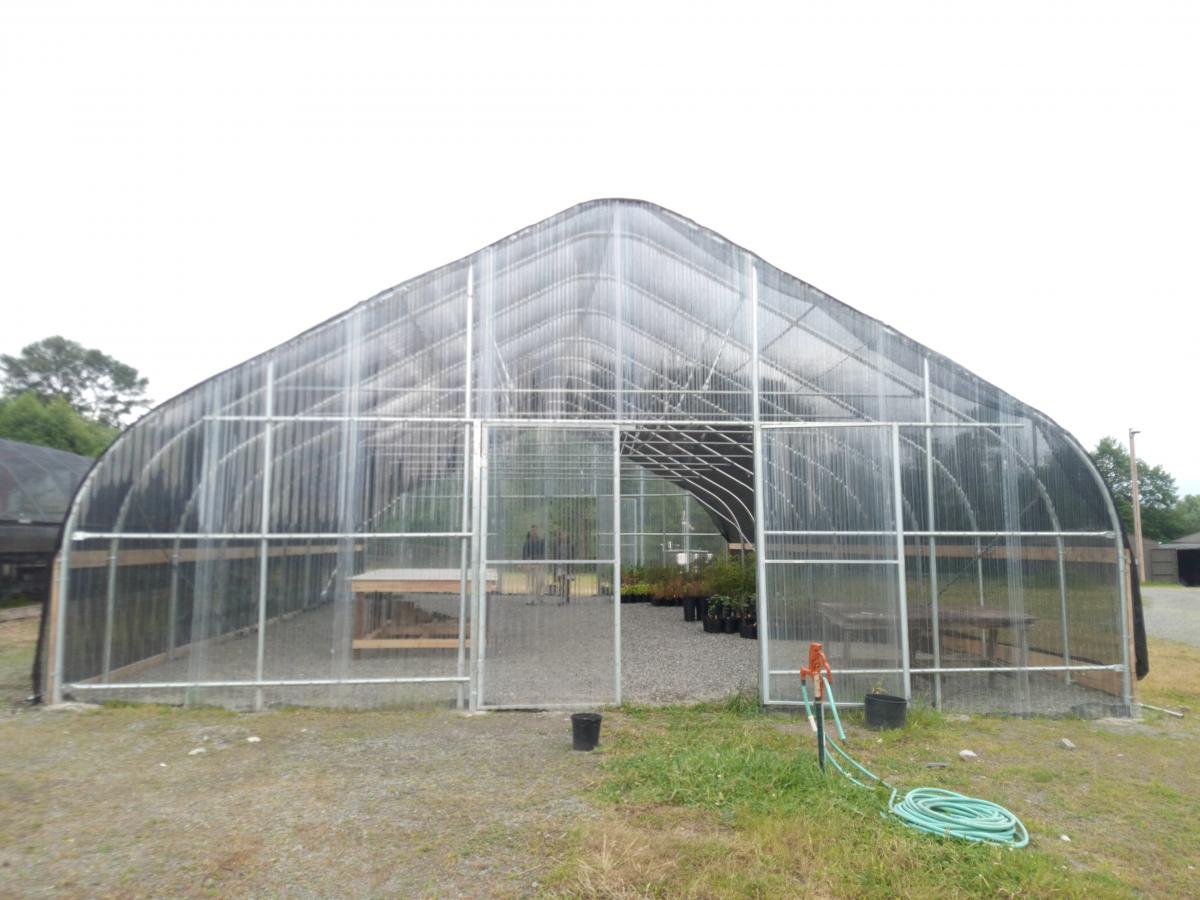
Photo of a hoop-style greenhouse with an open door.

At 15 feet tall, the new hoop house for the Society for Ecological Restoration's UW Chapter (SER-UW) serves as a reminder of all the hard work 50 student volunteers put in over the course of six days.

Working eight to ten hour shifts, students from UW’s Construction Management department, Sigma Lambda Chi and volunteers from SER-UW set out to construct a 30 foot by 48 foot hoop house at the Center for Urban Horticulture. Now, the student run native plant nursery has room for about 5,000 plants in the hoop house.

Aaron Tam's Earth Day talk on Tap That

UW Earth Club president Aaron Tam introduced the club's "Tap That" campaign during the Earth Day celebration, a project that is working to reduce the use of plastic water bottles on campus. Tam is a currently a senior at the University of Washington studying Environmental Science: Wildlife Conservation and Political Science. He's passionate about environmental and socioeconomic justice, and is proud to have contributed greatly to climate action in Washington and campus sustainability efforts.

Husky Green Award nominee: Salvage Wood Program

Update 4/18: The Salvage Wood Program was named one of the seven 2016 Husky Green Award winners.

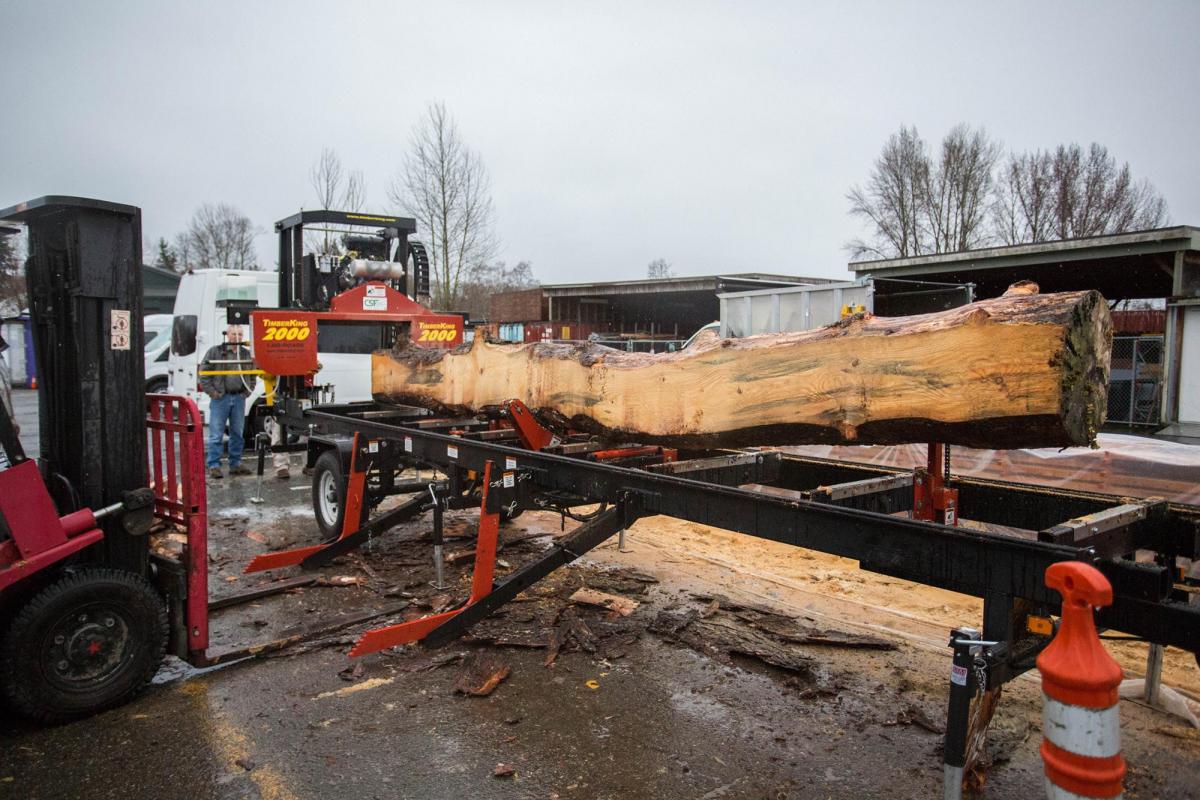
The Salvage Wood Program at the University of Washington is working to make sure any trees which need to be removed on campus can have a second life.

The program, run by Grounds Management and made possible by a Campus Sustainability Fund grant and help from the UW chapter of Engineers Without Borders, turns those removed trees into lumber for projects on campus such as benches and tables.

UW's Manastash Ridge Observatory gets sustainability overhaul

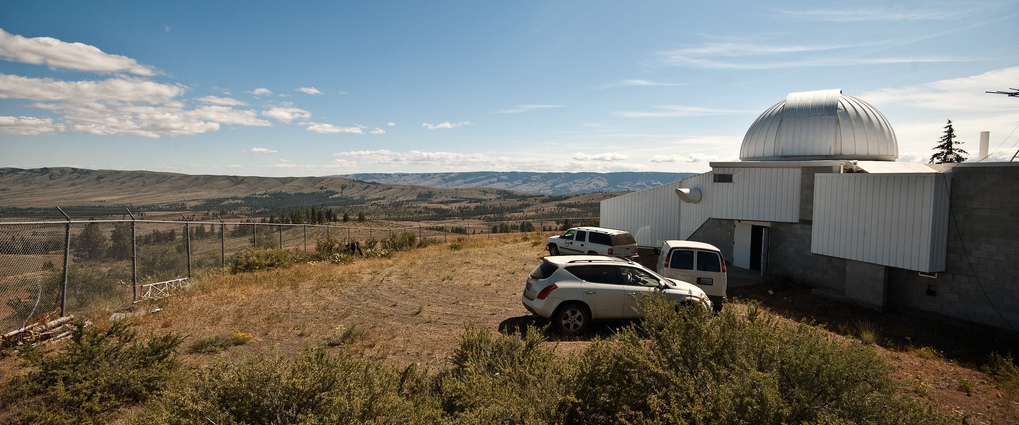
For 40 years, the University of Washington's Manastash Ridge Observatory near Ellensburg has been home to countless research projects studying our vast universe. Now, it’s working on incorporating environmental sustainability into the mix.

"It’s time to make changes that reflect the use of the facility and our impact on natural resources, particularly our water and energy consumption," said Oliver Fraser, UW astronomy lecturer.

Campus Sustainability Fund brainstorming event Thursday

The Campus Sustainability Fund (CSF) is hosting an evening of interdisciplinary discussion and project brainstorming. CSF representatives will share information on the fund, and how students can apply for grants to make their environmental ideas a reality on campus, as well as brainstorming ideas for projects. The goal of the event is to engage the campus community in brainstorming sustainability improvements we want to see at UW, and moreover, to empower students to make an impact by applying for a grant and starting their own project!

UW students work to restore one of Seattle's remaining swamps

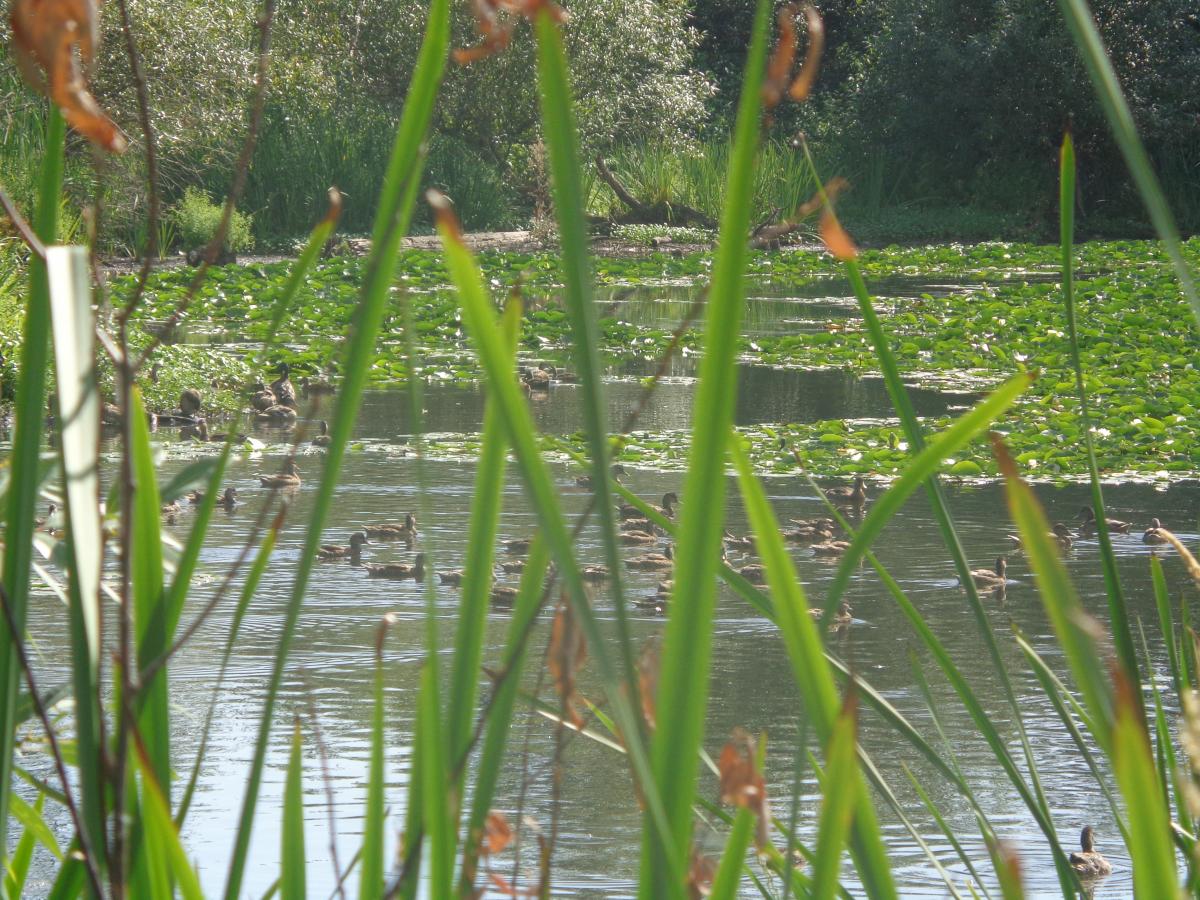
What was once a bustling sawmill in the late 1800s is now home to more than 100 species of birds, turtles, ducks, and even a beaver family.

I’m talking about Yesler Swamp, one of the few true swamps remaining in Seattle and a unique part of Washington’s vanishing urban forest. It’s hidden in a grove of trees just east of the UW Center for Urban Horticulture, remaining a fairly unknown public area to this day.

UW group encourages restoration projects on campus

You may not have noticed, but as you walk around the UW campus more of those plants and flowers at your feet are species native to Puget Sound.

That’s because UW’s Society for Ecology Restoration student guild (SER-UW) native plant nursery has been working to restore areas on campus by increasing native species biodiversity and creating open spaces for students to engage with the natural world just steps from their residence halls.