Friday video: Revisiting the Husky Stadium renovation
With the Huskies playing their first home game of the season tomorrow, it’s only fitting that we remind fans of the Stadium’s many sustainable features.
the UW Sustainability blog
With the Huskies playing their first home game of the season tomorrow, it’s only fitting that we remind fans of the Stadium’s many sustainable features.
Every week join sustainability mascot Sqwatch as he introduces a new tip of how to live green.
We’ve all heard it before: Are organic products really that much healthier than conventional ones? While most research can’t prove that organic food is more nutritious, it does contain fewer pesticides and preserves the environment.
Every week join sustainability mascot Sqwatch as he introduces a new tip of how to live green.
Is it built to last? Higher the durability, the less likely you’ll need to replace it. Choose clothing, tires, furniture, appliances, and electronics that are less likely to break prematurely.
Although durable products are generally more expensive, their extended lifespan offsets the higher cost and saves you money in the long run. Plus, you help keep items out of the landfill – a win-win situation.
Craving something fresh, delicious, local and sustainable? Satisfy your taste buds or learn a thing or two about sustainable living at this year’s CHOMP! festival, the first sustainability living festival organized by King County. The event will run from 10 a.m. to 6 p.m. on Sept. 13 at Marymoor Park near Redmond.
From taking showers to eating breakfast, individual actions can contribute to making UW more sustainable.
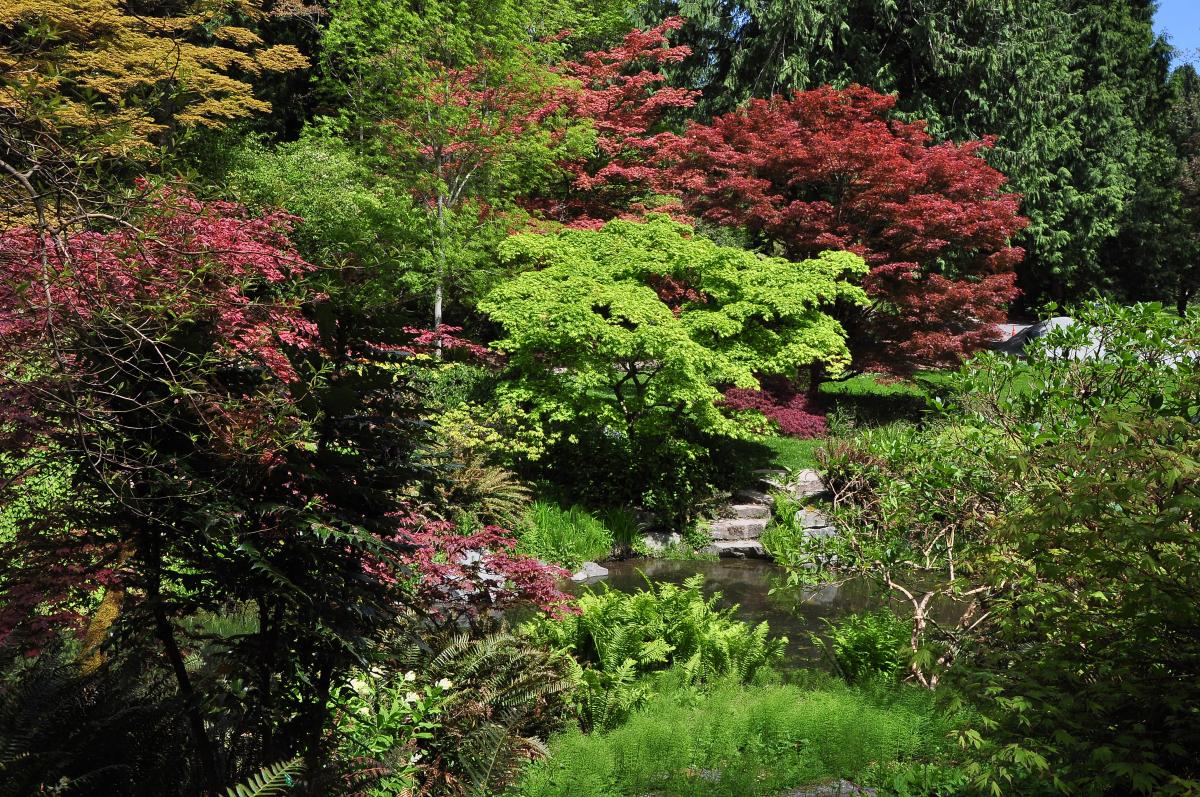
Photos courtesy of UW Botanic Gardens and Larry Howard
The UW Botanic Gardens was recently voted as one of the best university gardens in the nation. With more than 20,000 plants from around the world, it has become an international hub for plant science and ecosystem research, teaching and stewardship.
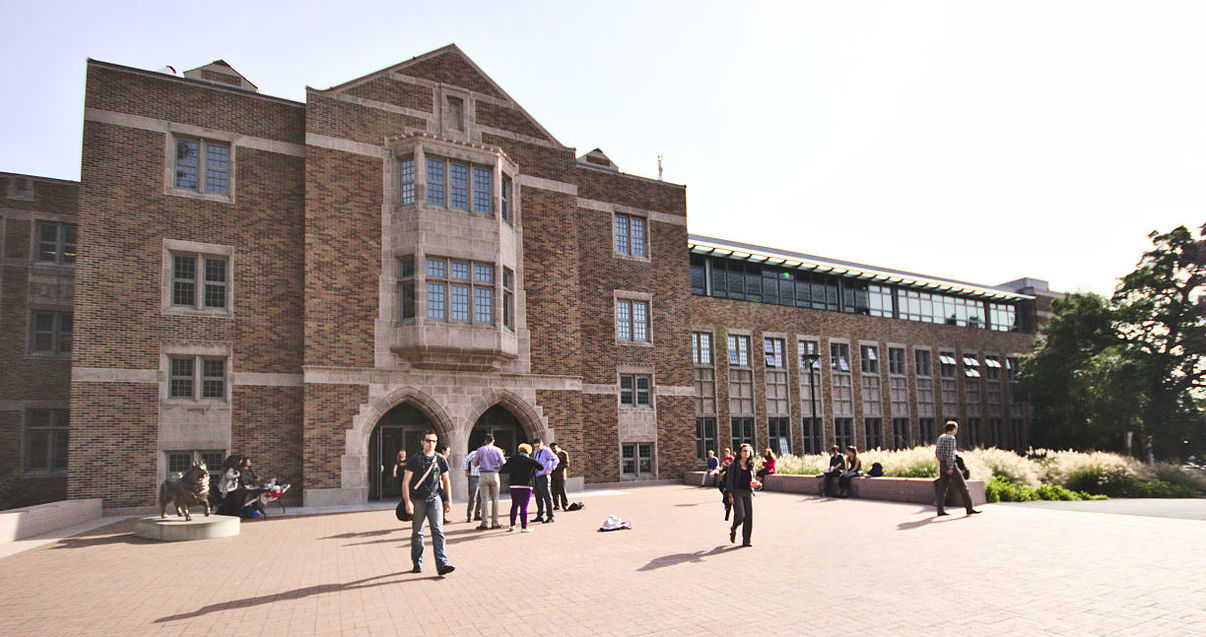
Photo by Wikimedia user Sage Ross
One of the most visible buildings on campus is also one of the most sustainable. The Husky Union Building (HUB) is recognized with LEED Gold status for its sustainable features both large – such as the cooling system – and small, like the materials in the bowling alley.
With a new water conservation system put into place, Mercer Court is revolutionizing the way students do laundry.
HFS uses a cistern, a tank used to catch and store rainwater for the purpose of delivering laundry services to more than 1,300 students living in the apartment complex. JR Fulton, HFS's capital planning and sustainability manager, says that about 90 to 95 percent of water used in the washing machine is coming from the cistern.
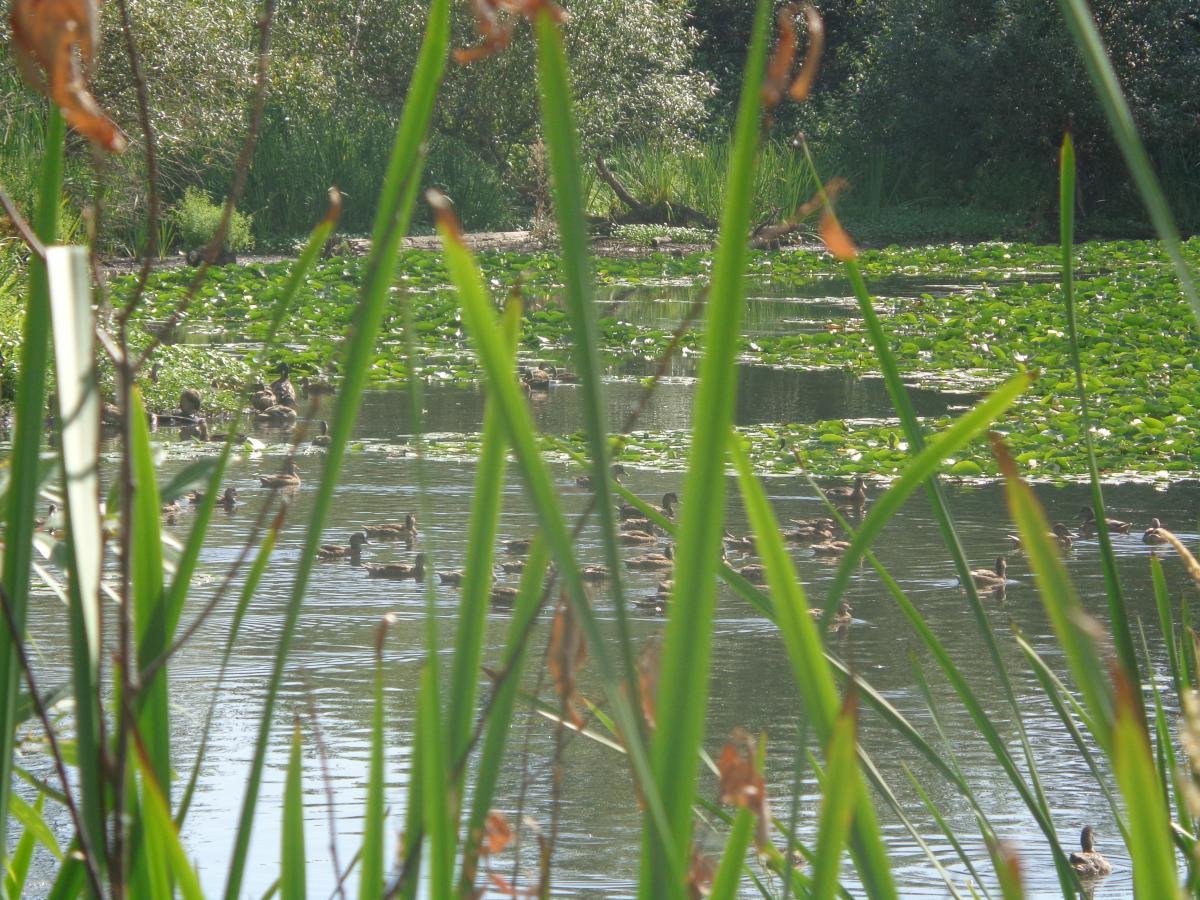
What was once a bustling sawmill in the late 1800s is now home to more than 100 species of birds, turtles, ducks, and even a beaver family.
I’m talking about Yesler Swamp, one of the few true swamps remaining in Seattle and a unique part of Washington’s vanishing urban forest. It’s hidden in a grove of trees just east of the UW Center for Urban Horticulture, remaining a fairly unknown public area to this day.
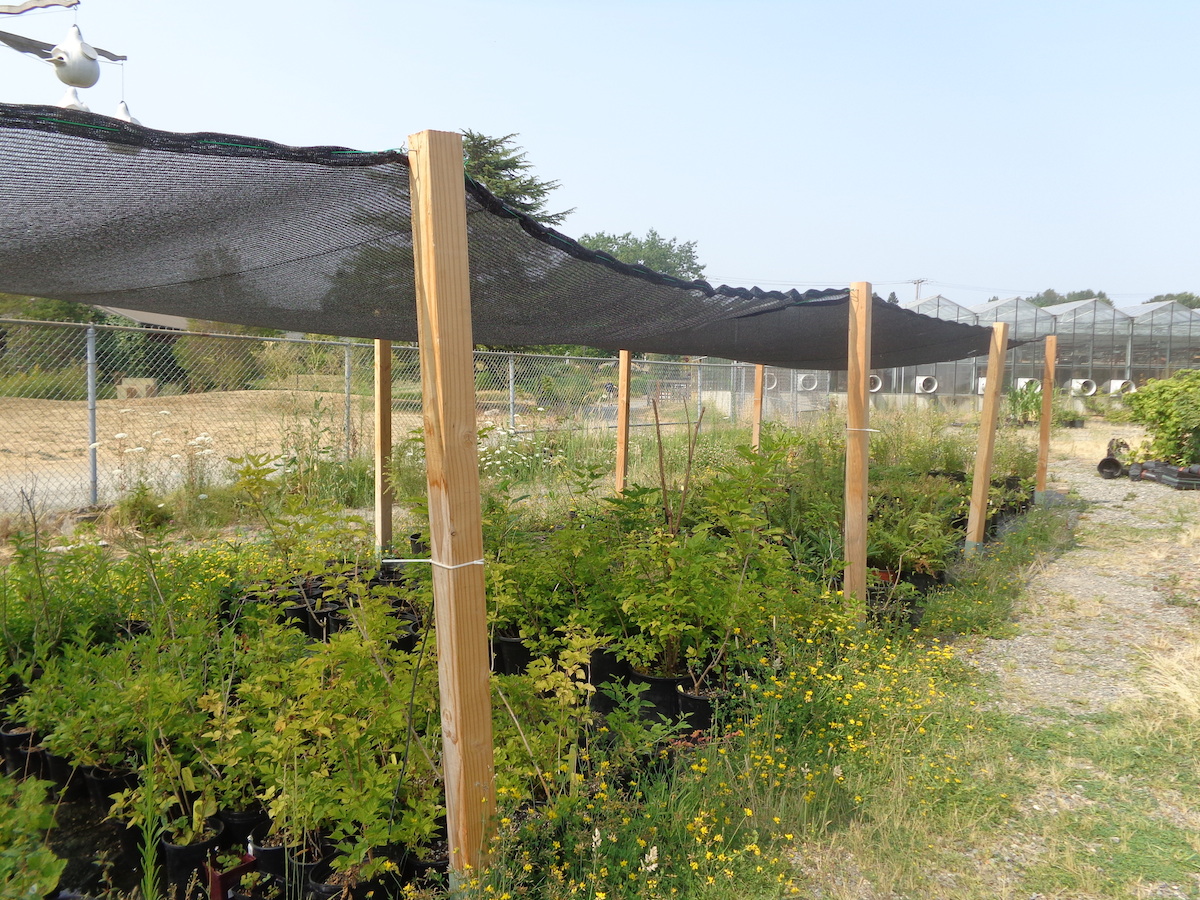
You may not have noticed, but as you walk around the UW campus more of those plants and flowers at your feet are species native to Puget Sound.
That’s because UW’s Society for Ecology Restoration student guild (SER-UW) native plant nursery has been working to restore areas on campus by increasing native species biodiversity and creating open spaces for students to engage with the natural world just steps from their residence halls.
