Sean Notes | Boundless Innovation

In January 2015, UW CoMotion (formerly Center for Commercialization) hosted a panel innovation leaders to discuss UW's role in regional innovation, entrepreneurship, and growth.
the UW Sustainability blog
In January 2015, UW CoMotion (formerly Center for Commercialization) hosted a panel innovation leaders to discuss UW's role in regional innovation, entrepreneurship, and growth.

Image credit: TNT: Jeffrey P. Mayor
In December 2014, reporters from The News Tribune and The Olympian teamed up to explore the impact of climate change on Mount Rainier in a nine-part online multimedia report titled, "Losing paradise: climate change is changing Mount Rainier." In the extensive and multi-faceted report, the research of many students and faculty from multiple universities is highlighted, including several UW students, faculty, and staff (listed below).
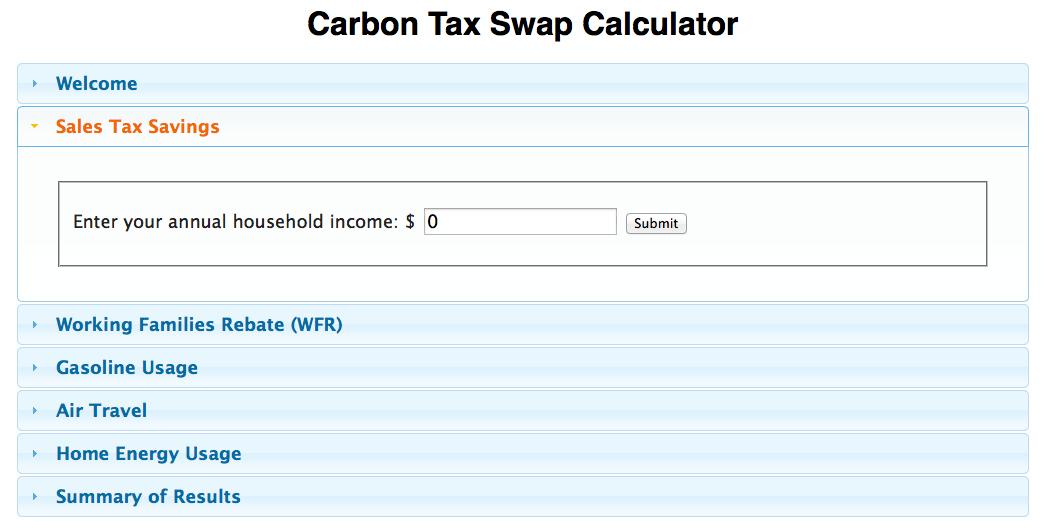
UW computer science doctoral student Justin Bare recently partnered with local nonprofit Carbon Washington to create an online tool to give Washington residents the ability to calculate how a state carbon tax swap proposed by the Carbon Washington might impact them financially. The Carbon Tax Swap Calculator is a neutral, unbiased tool that gives users access to unique information and sheds light on how the tax swap proposal might impact them personally.

A new exhibit at the Nordic Heritage Museum titled Imaging the Arctic showcases a collaboration between UW polar researcher Kristin Laidre and watercolor artist Maria Coryell-Martin as a unique way to communicate climate science.
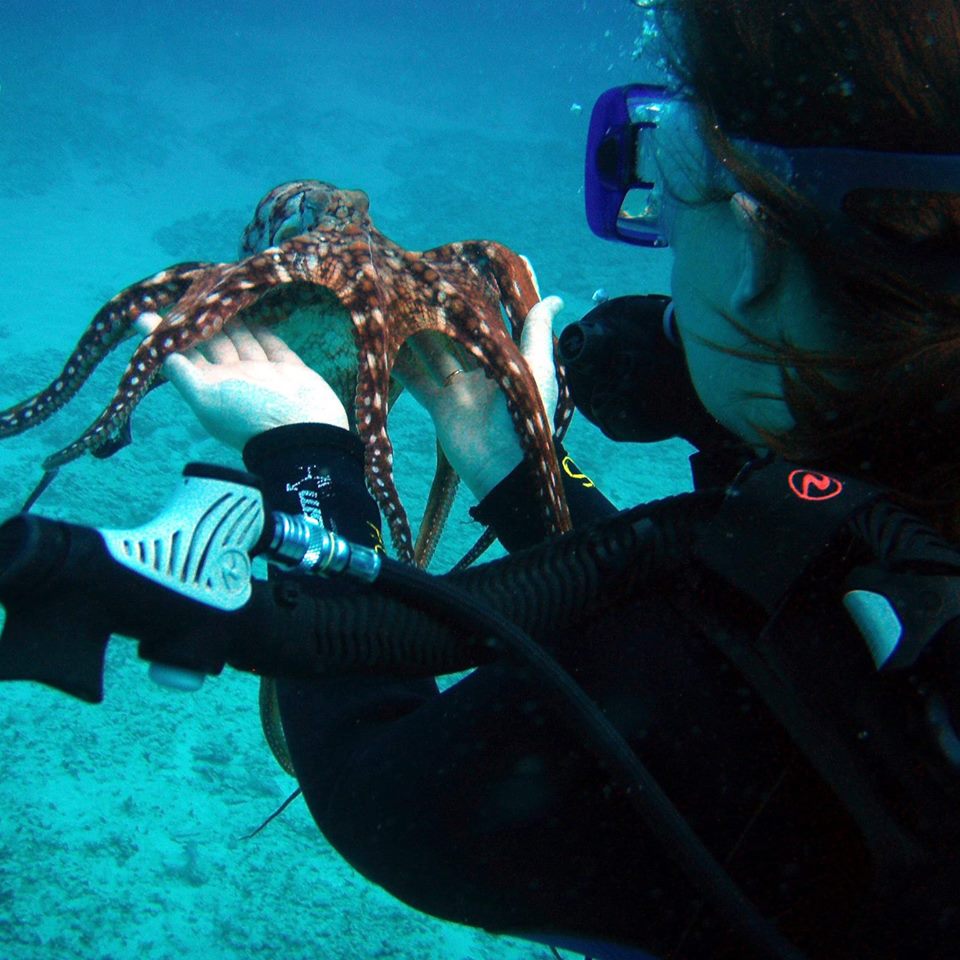
UW Research Associate Colleen Burge is quoted in a November 2014 Seattle Times article on the connection between climate change and ocean disease outbreaks in sea life. In the article As climate warms, more outbreaks of disease for sea life, journalist Craig Welch explores how rising sea temperatures may affect disease susceptibility and transmission in sea life ranging from dolphins and sea stars to coral, eelgrass, and seals.
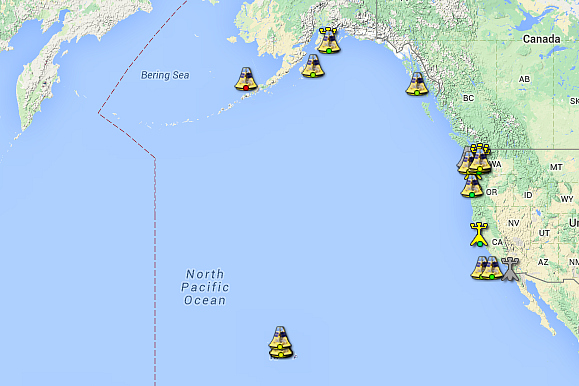
UW News & Information recently reported on a new NOAA online tool, the IOOS (Integrated Ocean Observing System) Pacific Region Ocean Acidification Data Portal, that helps researchers and the fishing industry track ocean acidification in local waters and the open ocean.