UW Recycling's Trash-In

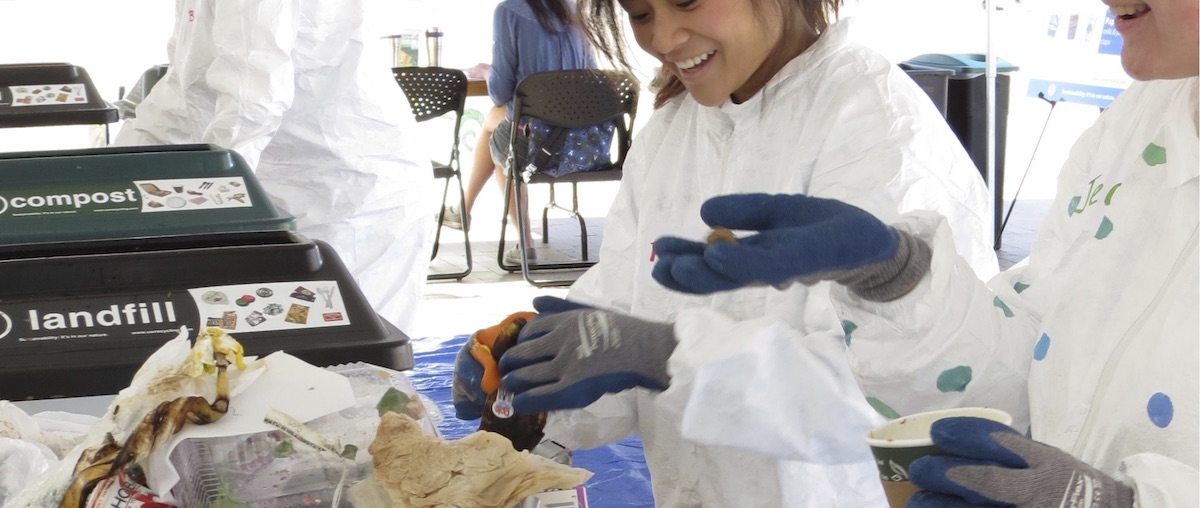
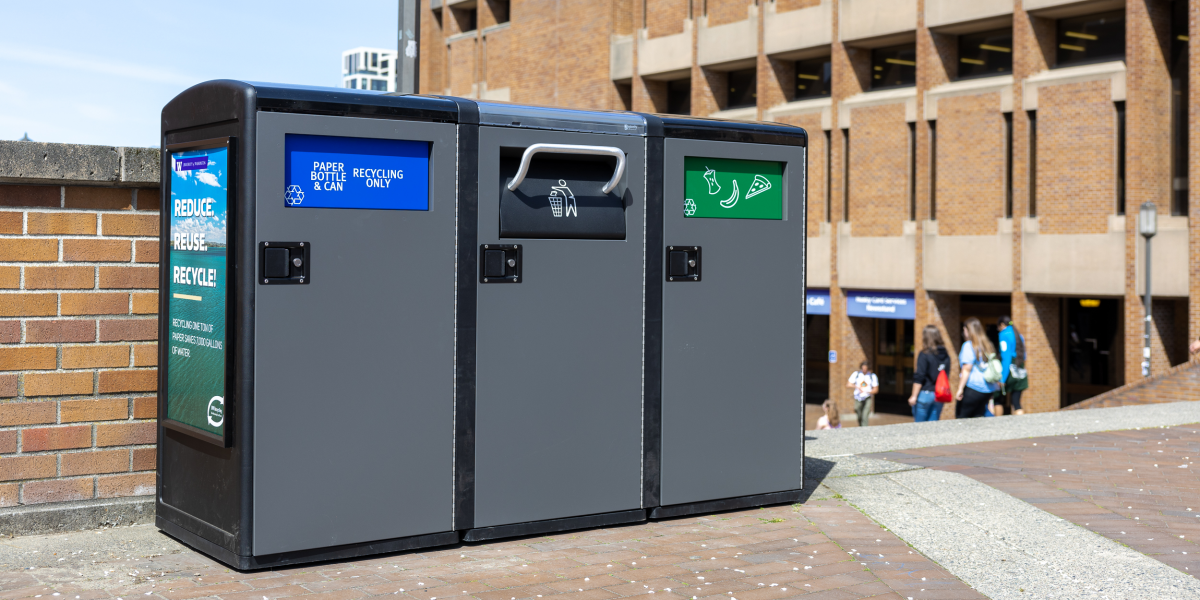
For the first time in six years, UW Recycling held a Trash-In to determine how much compostable and recyclable material is thrown out instead of diverted from the landfill at University of Washington.
the UW Sustainability blog

For the first time in six years, UW Recycling held a Trash-In to determine how much compostable and recyclable material is thrown out instead of diverted from the landfill at University of Washington.

Join UW Recycling for the upcoming 2019 Trash-In held on Red Square Friday, April 19, from 9 a.m. until 1 p.m. During this time, volunteers (a healthy mix of students, staff, and faculty) can sign up for shifts lasting one hour to sort waste collected from buildings on campus.

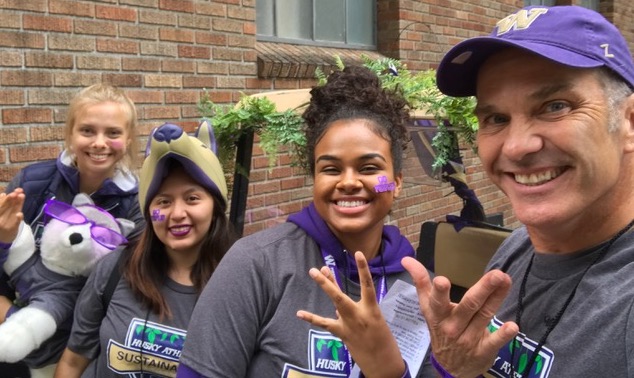
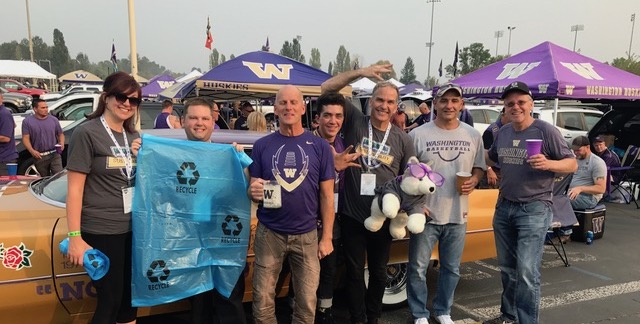
UW Athletics needs volunteers to support sustainability efforts during home football games this season, starting with the opener on September 8.
Green Team volunteers play a major role in helping UW reach our waste diversion goal of 80%. Volunteers engage with fans to encourage sustainable practices in the stadium and in the tailgate areas. After halftime volunteers are welcome to stay and watch the rest of the game.

You may have read about China’s changing views on recyclable plastic in the news recently. Are you and your colleagues confused about recycling and composting at the University of Washington? Have you heard rumors that it doesn’t really matter what you do — that it all ends up in the trash anyway? Or do you feel like your efforts as an individual won’t make a difference?
Yikes! Hold up!

Guest post from UW student Kartik Arora
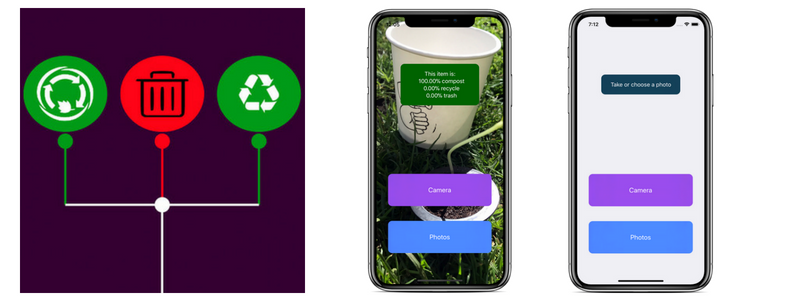
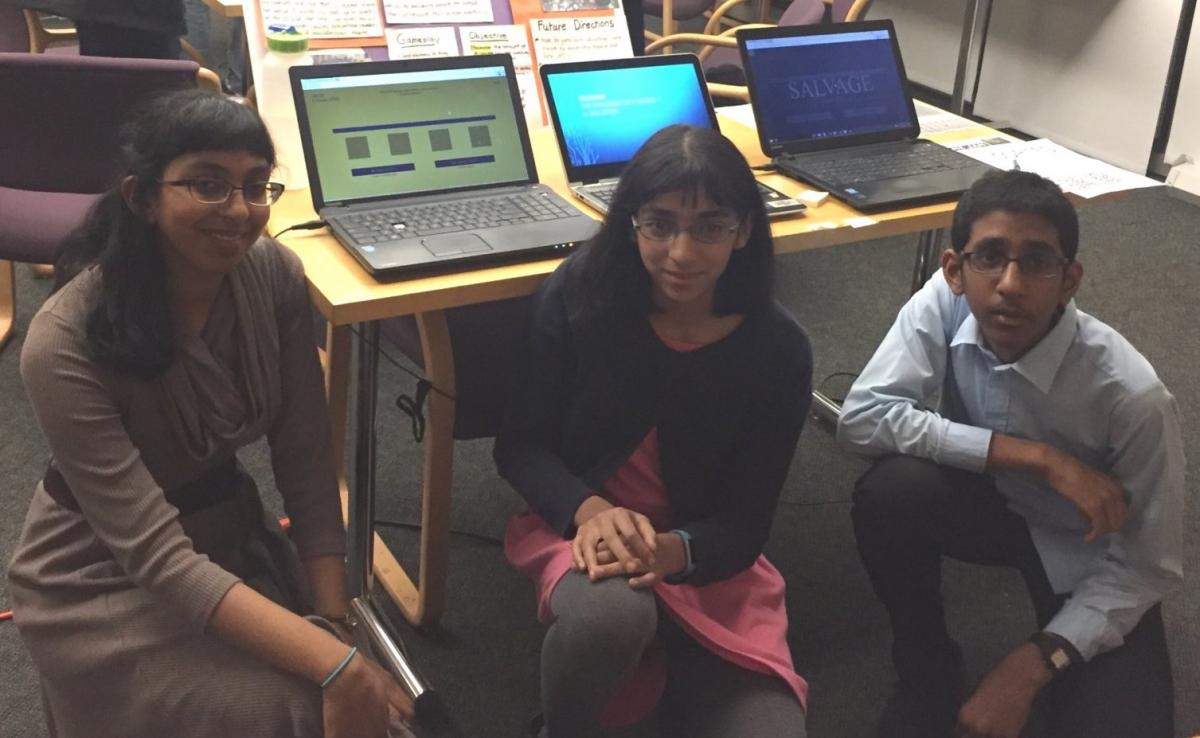
Trash-It is an app to that uses machine learning to classify if an item goes in the compost, recycle, or landfill. Much of the trash humans currently produce is being thrown into landfills, including many items that could be recyclable or compostable. One way we can cut down on waste in our region is to make sure we properly sort our trash. When people aren't sure which trash can their waste goes into, they often choose the safest option which is landfill. This is the issue my app was made to tackle.

The University of Washington Department of Athletics was one of two university winners of the 2018 Environmental Innovators of the Year awards by the Green Sports Alliance.

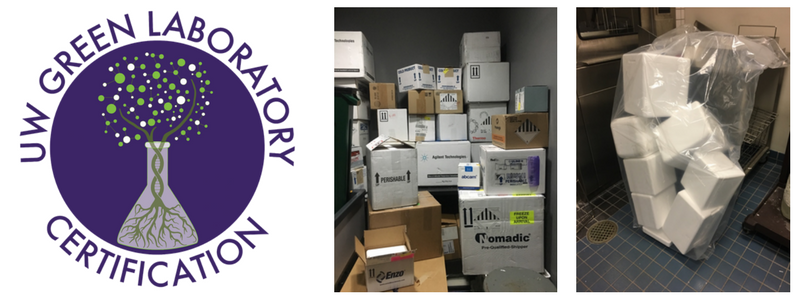
The Rabinovitch Lab was certified as a Gold Green Laboratory in October for their amazing green strategies. The Rabinovitch Lab focuses on pathology, and puts in great efforts to make sure their daily operations are sustainable.

Guest post by Cailin Winston
Imagine living in a village where computer monitors and circuit boards line the streets, where the air creates a stinging sensation in your eyes and nose, where you dare not eat the rice that you grow because it is likely to be contaminated with heavy metals and toxins. This is Guiyu, China, one of the largest informal recycling operations for electronic waste in the world.

Guest submission by Adam Fehn, UW Recycling Program Coordinator
Once you become familiar with being part of a campus community that's renowned for its sustainability practices, it can be hard to believe that a formal recycling program at University of Washington was established only 26 years ago. Thanks to several key student-lead initiatives, UW Recycling eventually grew to become a team of 14 administrative and operations members that support the entire campus every day.

2 min. to read
There are plenty of common questions that come up when talking to new Huskies on the Seattle campus. UW Recycling is here to provide some answers below: